
How do I make an offer on a business?
A credible offer is price plus structure, proof you can fund it, and a timeline, not just a number. Weak offers get ignored even when the price is fair.
Dealdoor is a UK marketplace for buying and selling small and medium-sized businesses.
Abstract
What a UK buyer's offer on a business should contain to be taken seriously, how it differs from heads of terms, and the most common reasons sellers reject an otherwise reasonable offer.
Suggested citation: Dealdoor Research (2026). How Do I Make an Offer on a Business?. Dealdoor. Available at dealdoor.co.uk/guides/how-to-make-an-offer-on-a-business-uk
1.The short answer
A credible offer states your indicative price, the structure you are proposing (asset or share purchase), evidence you can actually fund it, your intended timeline, and a request for a short period of exclusivity to complete due diligence. A number on its own, with none of that context, is routinely ignored by sellers and brokers even when the price itself is fair.
2.What a serious offer actually contains
- Indicative price, stated as subject to due diligence rather than final, so you are not locked to a figure before you have seen the detail
- Proposed structure: asset or share purchase, since this affects what the seller nets after tax and changes how they will read the offer
- Proof of funds: a bank or savings statement, a mortgage-in-principle-style letter from a lender, or confirmation from an equity partner, showing the money is real and available
- Your proposed timeline from accepted offer to completion, which signals whether you are a serious, organised buyer or still working things out
- A request for a period of exclusivity, typically 6 to 8 weeks, during which the seller agrees not to negotiate with other buyers while you complete due diligence
This is usually put in writing as a short letter or email once a verbal figure has already been discussed and not dismissed outright. It is not the same document as heads of terms, which comes after the offer is accepted and sets out the detailed commercial terms both sides have agreed to work towards.
3.Why a fair offer still gets rejected
Sellers and brokers see offers with no proof of funds behind them constantly, from buyers who have not actually confirmed what they can borrow or raise. An offer with nothing to back it is routinely ranked below a lower offer from a buyer who can clearly demonstrate the money exists. If you have not spoken to a lender or confirmed your own available capital before you make an offer, do that first.
The other common reason is conditions that read as a buyer trying to negotiate twice: an offer that is openly described as a starting point for further reductions once due diligence begins, rather than a genuine price subject to confirming what has already been represented. Sellers price that pattern in and either reject it or hold out for a buyer who will not do it.
Due diligence when buying a UK business
What to verify before you commit, so your offer can be backed by more than a hunch.
Read the due diligence guideLive businesses for sale
420 live listings with turnover and profit shown upfront.
Independent Artisan Bakery and Coffee Shop with Strong Community Support Available for Sale
Leasehold price
POA
- Annual turnover
- £156k
- Net profit
- POA
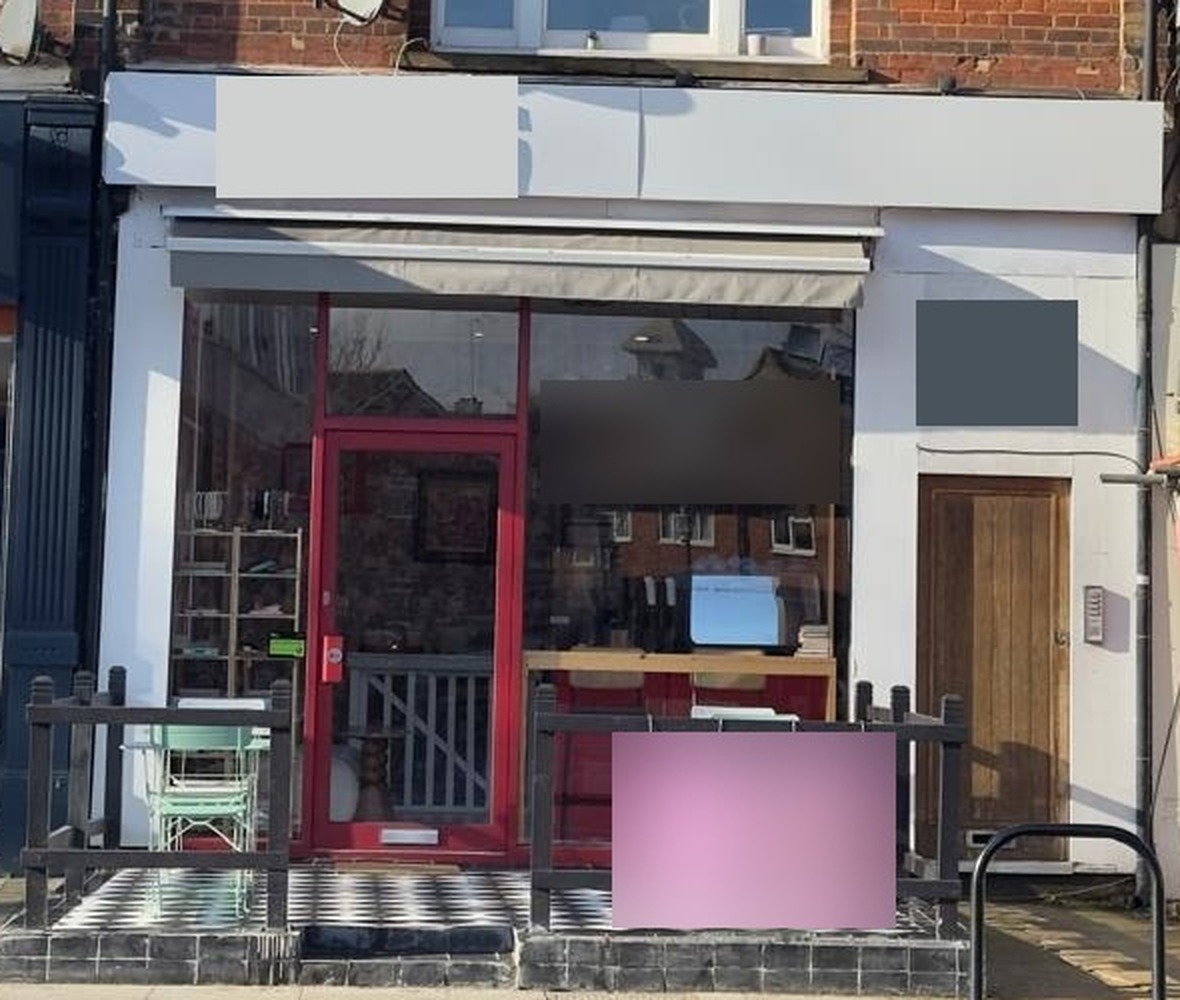
Creative Cafe for sale in Fulham, London.
Leasehold price
£55,000
- Annual turnover
- POA
- Net profit
- POA
Selling award winning Project Management Agency
Asking price
POA
- Annual turnover
- POA
- Net profit
- POA
Related reading
How Much Deposit Do I Need to Buy a Business in the UK?
Most UK lenders want 20 to 40% of the price as buyer equity. The exact figure moves with the lender, the sector and how much of the price the seller is willing to defer.
ReadState of the UK SME M&A Market 2026
A practical readout of UK SME deal activity in 2026, covering buyer appetite, valuation pressure, financing conditions and the sectors attracting the most interest.
ReadUK SME Valuation Multiples by Sector
Typical earnings multiples across UK hospitality, retail, ecommerce, services and healthcare, plus the factors that move a business up or down the range.
Read